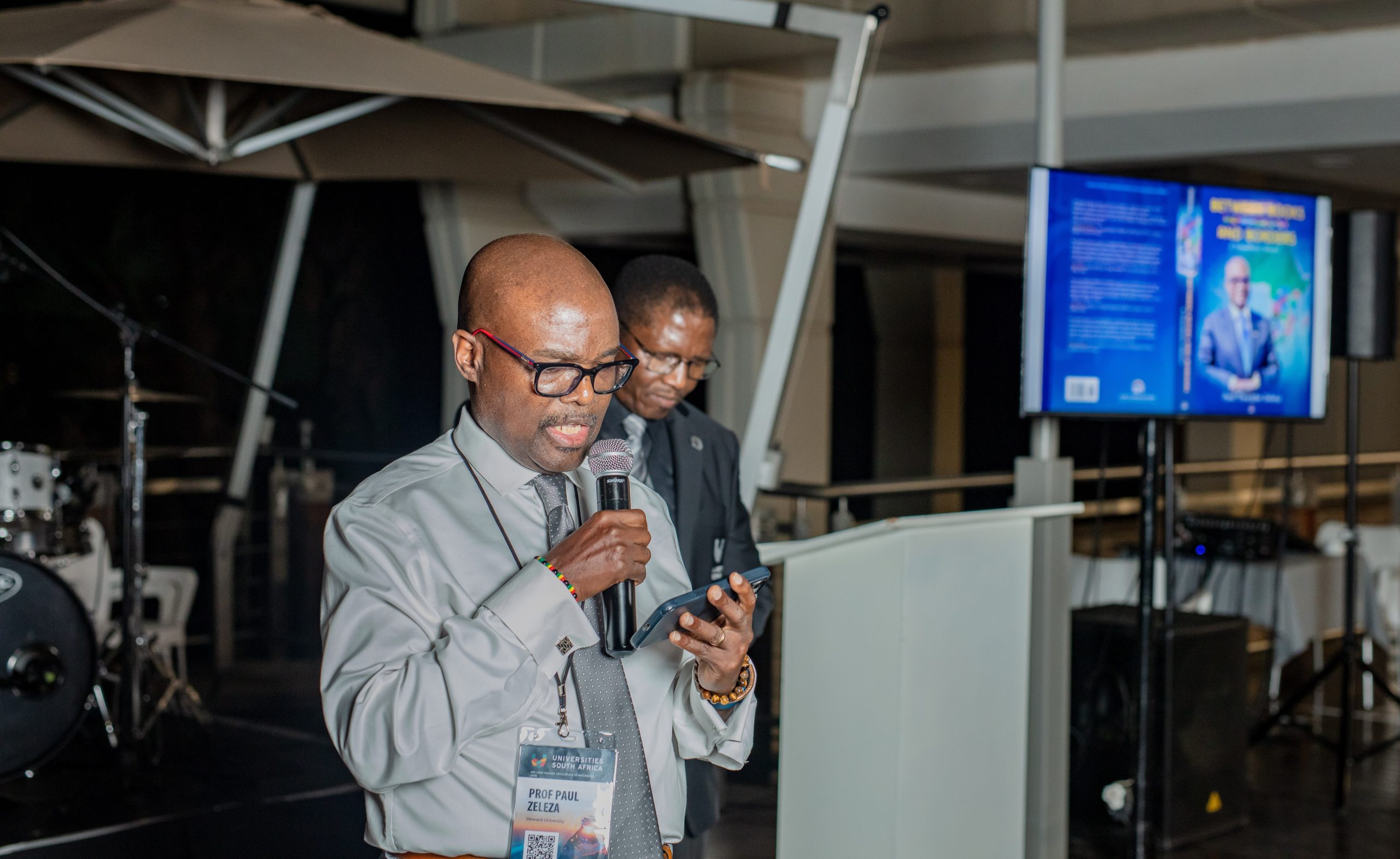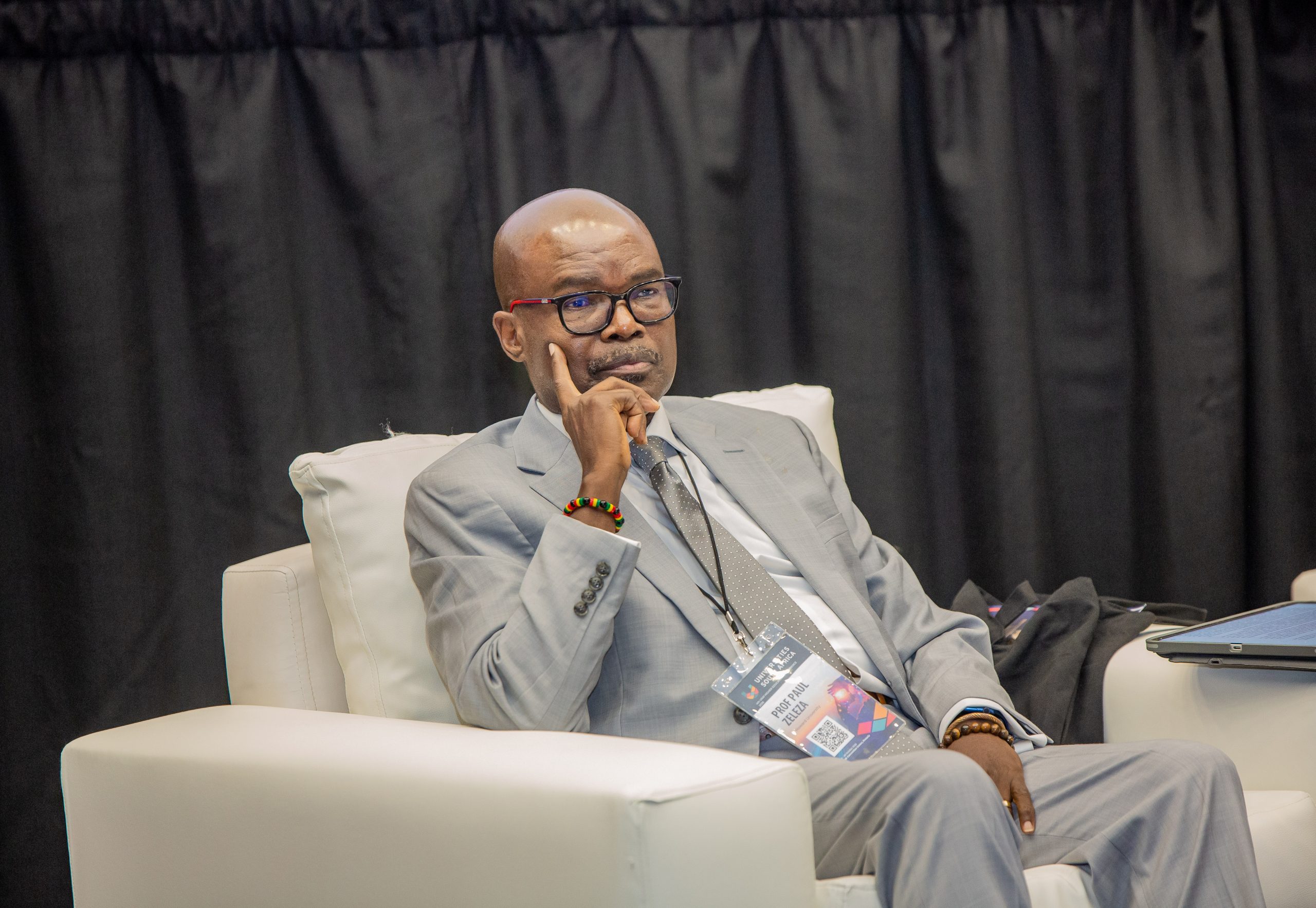
As shifts in the global order place established models of academic collaboration under strain, African universities face questions about how to sustain international engagement while strengthening their institutions. These challenges were central to a keynote address by Paul Tiyambe Zeleza, Professor of African History, Diaspora, and Interdisciplinary Studies at Global Studies University.
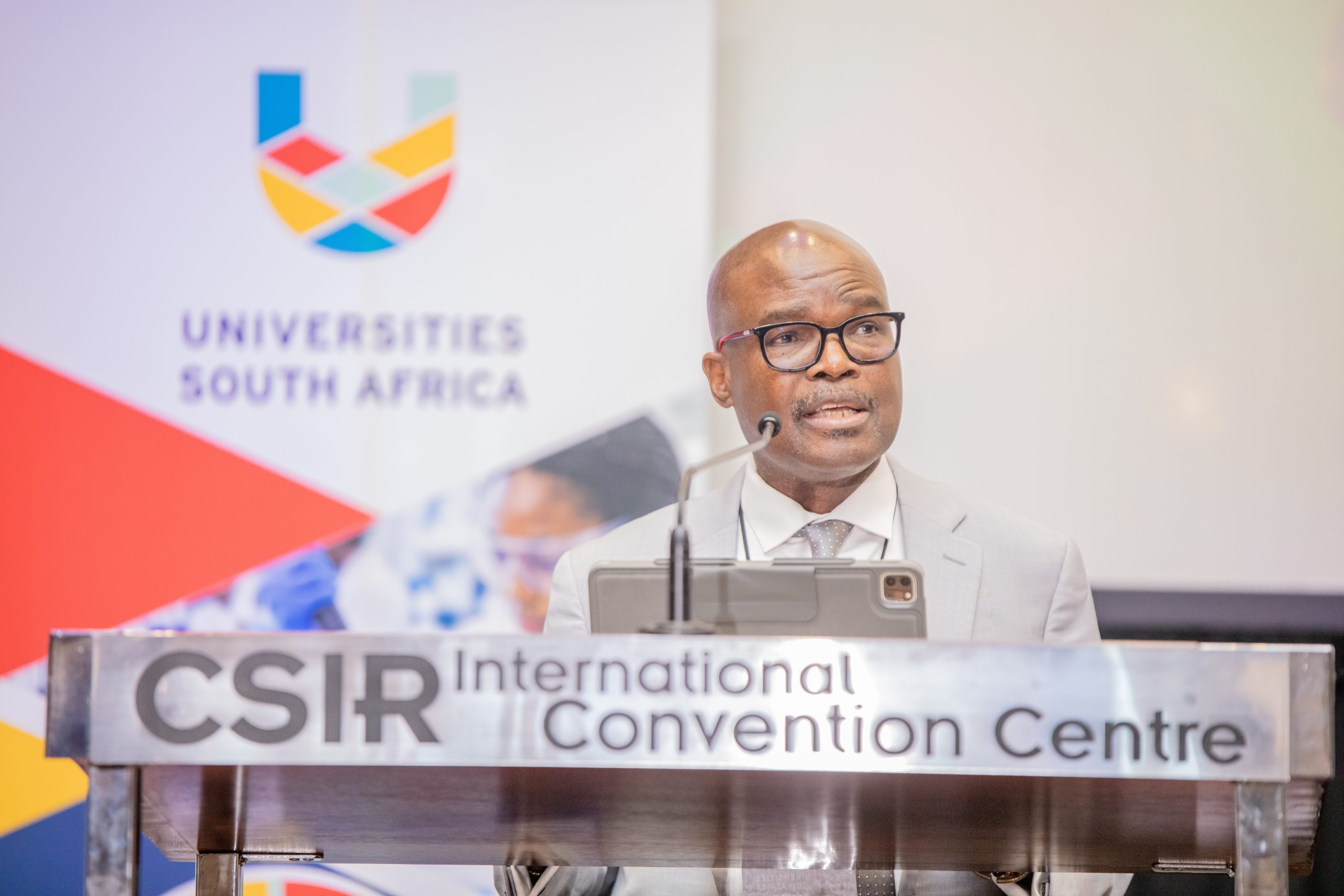
Professor Zeleza delivered “Internationalization, Knowledge Equity and Academic Solidarity in a Changing World” at the 4th Universities South Africa (USAf) Higher Education Conference, held October 7–9, 2026, in Pretoria. Under the theme “Co-Creating a Resilient Future,” the conference brought together university leaders, policymakers, academics, and international partners.
His address examined changes in the global order and Africa’s political economies, tracing their implications for higher education internationally and for African universities in particular.
Drawing on his perspective as a historian, Professor Zeleza placed contemporary geopolitical rivalries and institutional challenges within a longer history of change in higher education. He considered how pressures arising both within and beyond universities are reshaping the conditions for international collaboration.
He concluded by outlining seven strategies for African universities to rethink international engagement and strengthen their institutions as established models come under pressure.
These strategies, he wrote in a LinkedIn post reflecting on the address, could help African universities “turn contemporary challenges into opportunities for building institutional resilience, renewal, and sustainable transformation.”
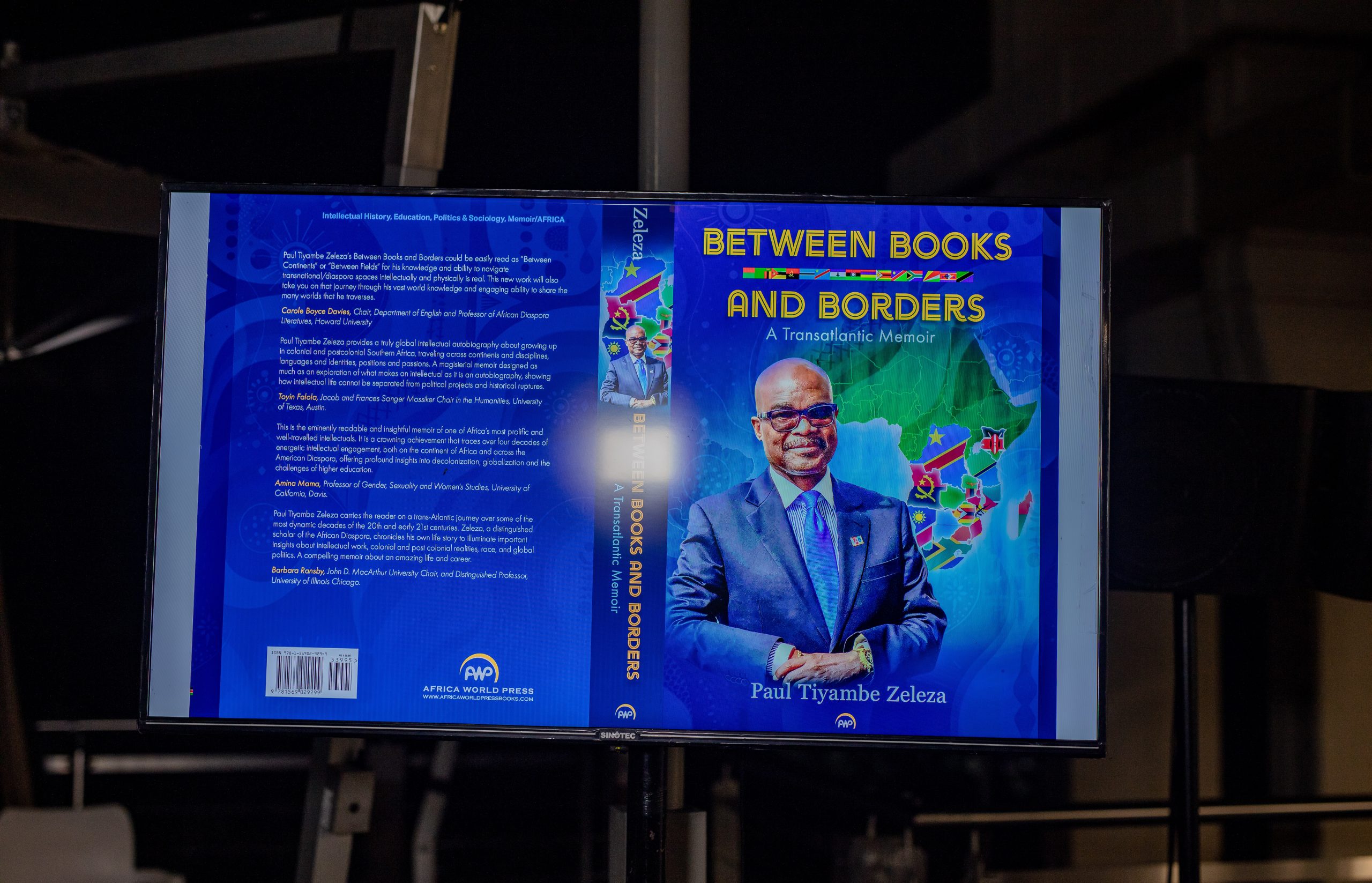
Professor Zeleza brings extensive experience in university leadership to his research on higher education, including his tenure as Vice Chancellor of the United States International University-Africa in Kenya.
Read Professor Zeleza’s keynote address on Substack.