Stephen Larzen Juma, a Ph.D. student in Global Studies on the Historical, Political, and Social Studies track at Global Studies University (GSU), has published a peer-reviewed paper examining how Kenya’s digital identity systems shape access to services, rights, and civic participation.
His paper, “Constitutional Governance and Digital Identity Transformation in Kenya,” appears in the Journal of Intellectual Property and Information Technology Law, Volume 6, Issue 1 (2026), published by the Centre for Intellectual Property and Information Technology Law (CIPIT) at Strathmore University.
Stephen examines how identity requirements can create barriers to banking, mobile money, and government programs, particularly for undocumented youth and marginalized communities. His analysis considers Kenya’s digital identity reforms, including Huduma Namba and Maisha Namba, as infrastructures that shape people’s relationships with the state.
Central to the paper are questions of equality and privacy. Stephen explores how digital identity systems can meet constitutional commitments while expanding access to public and financial services. Drawing on international comparisons, he proposes reforms to strengthen accountability, protect personal data, and reduce exclusion.
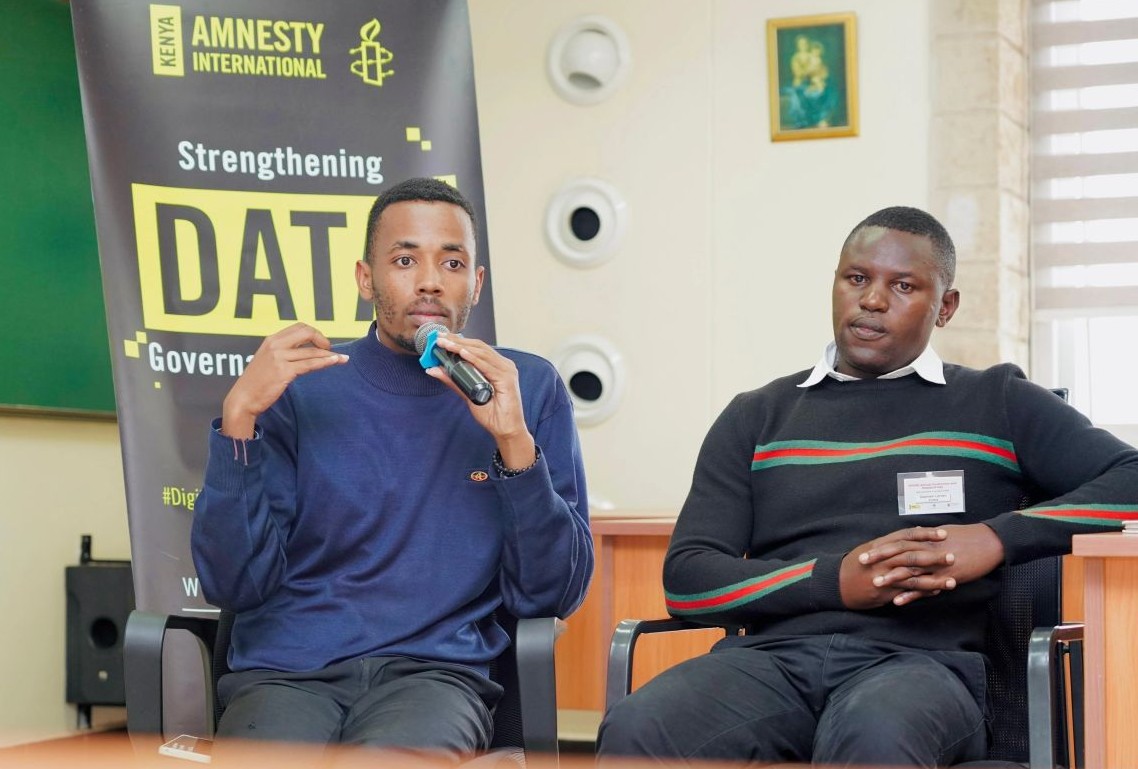
The article appears in a special issue themed “Data Governance in the Public Interest,” comprising six peer-reviewed papers developed following the Data Privacy and Governance Society of Kenya’s Annual Conference and Research Day. Held at Strathmore University in Nairobi on October 22, 2025, in collaboration with CIPIT and Amnesty International Kenya, the conference brought together researchers, practitioners, policymakers, and industry leaders to discuss responsible and equitable data governance.
The publication connects with Stephen’s broader research interests in governance, public policy, and youth inclusion. His doctoral research examines how International Monetary Fund fiscal policies and conditionalities shape domestic politics, governance, and youth precarity in Kenya.
His background includes experience as an IMF Youth Fellow, a research fellowship at the Kenya School of Monetary Studies, and work as a public policy analyst. Through his doctoral studies, Stephen seeks to contribute scholarship that informs inclusive, context-sensitive policymaking across the Global South.