



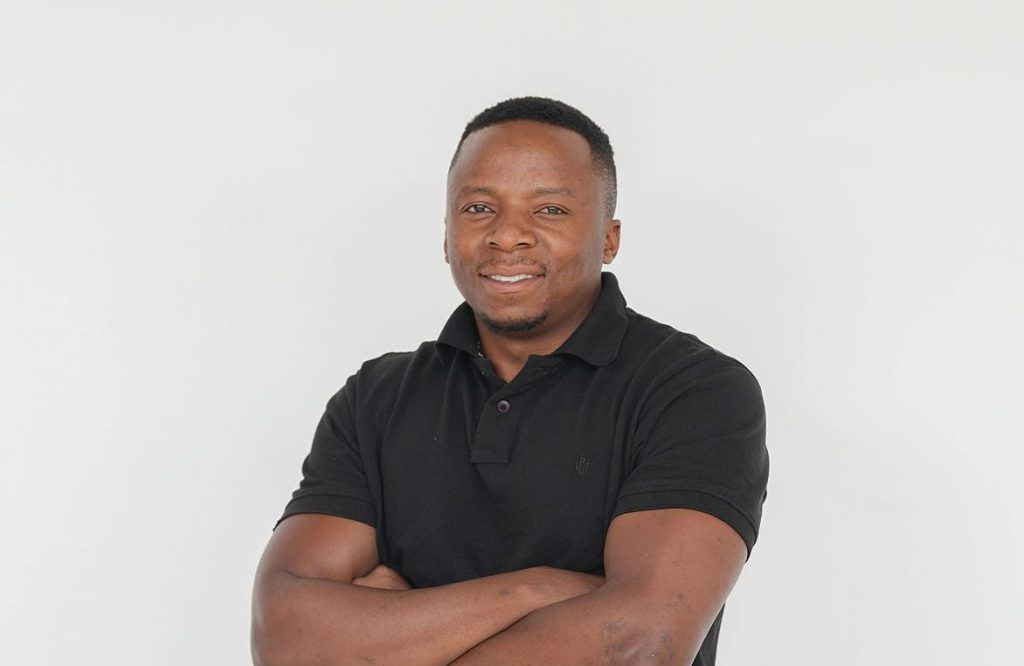
Program: Master of Arts in Global African Studies
Specialization: Museum and Critical Heritage Studies
Contact Email: 10003@gsu.ac.ae
Geofrey Mwanza is a Master of Arts student in Global African Studies at The Africa Institute, Global Studies University, specializing in Museum and Critical Heritage Studies, from Zambia. He worked on a thesis titled Restitution Beyond Return: Toward an Ethics of Repair in African Museums which examines the restitution of the Zimbabwe Birds, with particular emphasis on post-return responsibilities, community agency, institutional accountability, and the broader ethics of repair.
He is a heritage consultant, researcher, and GIS specialist whose work focuses on heritage impact assessment, restitution, World Heritage governance, and cultural heritage policy. His professional experience includes conducting Heritage Impact Assessments, Environmental and Social Impact Assessments, stakeholder consultations, and heritage-management planning in Zambia and the United Arab Emirates.
Academic Background
- B.A., Cultural Studies and History, The University of Zambia (UNZA)
Professional Experience
- Intern, Sharjah Archaeology Museum, Sharjah, UAE, 2026
- Heritage Impact Assessment for Faya Palaeolandscape World Heritage Site, Sharjah, UAE, 2026
- Heritage Researcher, African Heritage Channel, Zambia (2022–Present)
- Cultural Heritage & GIS Specialist, Envirodynamics Consulting Limited, Zambia (2018–Present)
- Research Support (Risk & Disaster Management Plans), UNESCO/EPA/ROSA, for Kasubi Tombs (Uganda) and Great Zimbabwe World Heritage Site (Zimbabwe) (2021, 2024)
- Research & Mapping Support, African World Heritage Fund (AWHF) Gap Analysis Study, Africa-wide (2020)
- Archaeological Excavation Team Member, Max Planck Institute collaboration (Central Province sites: Ndola, Mkushi, Kapiri Mposhi), Zambia (2018)
- Archaeological Excavation Team Member, Kalambo Falls Project, University of Liverpool (2018)
- Assistant Heritage Specialist, DH Engineering, Zambia (2018–2022)
- Intern / Planner, National Heritage Conservation Commission (NHCC), Zambia (2017–2016)
Publications & Contributions
- Academic Publications (forthcoming): Liberation Heritage of Zimbabwe in Zambia; Liberation Heritage of South Africa in Zambia; Zambian Moonlight Stories
- 2024, Risk and Disaster Management Plan, Great Zimbabwe National Monument, Zimbabwe – UNESCO ROSA/NMMZ
- 2023, Youth Engagement in Heritage Conservation, ICOMOS Day Presentation
- 2023, Nomination Dossier Assisted Planning, Mount Mulanje Heritage Site, Malawi – NHCC/UNESCO
- 2018–2024, Multiple Heritage Impact Assessments, Zambia (solar, wind, road, and transmission projects)
- 2021, Risk and Disaster Management Plan, Kasubi Tombs World Heritage Site, Uganda – UNESCO/EPA
- 2020, African World Heritage Gap Analysis Study – AWHF/EPA
- 2020, Nomination Dossier Mapping, Barotse Plains Cultural Landscape – NHCC
- 2019, Feasibility Study for Proposed Glass Bridge Viewing Deck, Victoria Falls World Heritage Site – NHCC/UNESCO
- 2018–2019, Archaeological Excavations, Central Province & Kalambo Falls – Max Planck Institute / University of Liverpool
In Their Own Words
“My experience in the program has been intellectually transformative, providing me with a rigorous environment in which to engage critically with African heritage and global debates on decolonization, restitution, and museum practice. The curriculum and faculty expertise have strengthened my research skills, deepened my theoretical understanding, and expanded my professional networks.
The program has enabled me to connect academic theory with professional practice through my work with the ACREATE project, my internship at the Sharjah Archaeology Museum, and my preparation of Heritage Impact Assessments for the Sharjah Archaeology Authority. These experiences have allowed me to apply critical heritage approaches to archaeological documentation, impact assessment, World Heritage management, and institutional decision-making. Collectively, they have strengthened my commitment to developing responsible approaches to restitution, heritage policy, and community-centered heritage management.”
Connect


