Mourning rituals can shape more than expressions of grief. In Egypt and Sudan, they can influence what widows wear and eat, and how they participate in daily life. These practices are the focus of a chapter coauthored by Dr. Ramadan Elkhouly, Senior Researcher and Archivist at Global Studies University, in a volume recently recognized by African Studies Review.
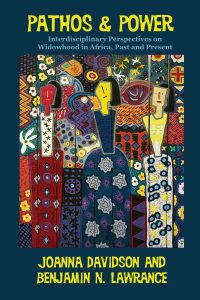
Pathos and Power: Interdisciplinary Perspectives on Widowhood in Africa, Past and Present, which includes a chapter coauthored by Dr. Ramadan Elkhouly, Senior Researcher and Archivist at Global Studies University, has received an Honorable Mention for the 2026 African Studies Review Best Africa-Focused Anthology or Edited Collection Prize.
Elkhouly and coauthor Rogaia Mustafa Abusharaf, Professor of Anthropology at Georgetown University in Qatar, examine mourning rituals known as hadad, considering how practices associated with seclusion, clothing, and diet can constrain widows’ autonomy. Their chapter looks beyond explanations rooted solely in tradition or religion to examine how power operates through everyday expectations, including those upheld by women themselves.
Bringing Egypt and Sudan into comparative perspective, the research considers how mourning practices both reflect and reinforce gender relations, contributing to wider discussions of women’s agency and social justice in the Nile Valley.