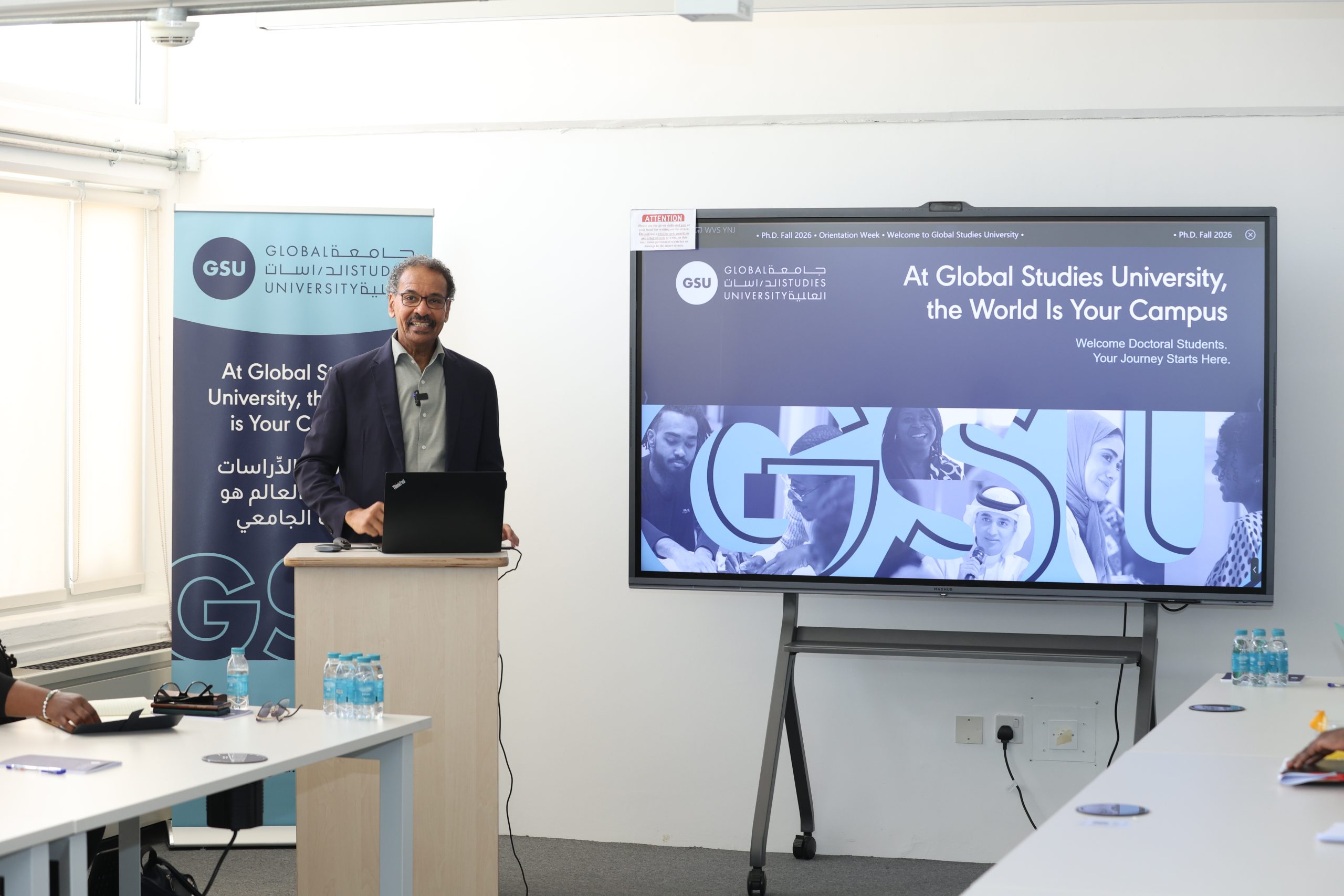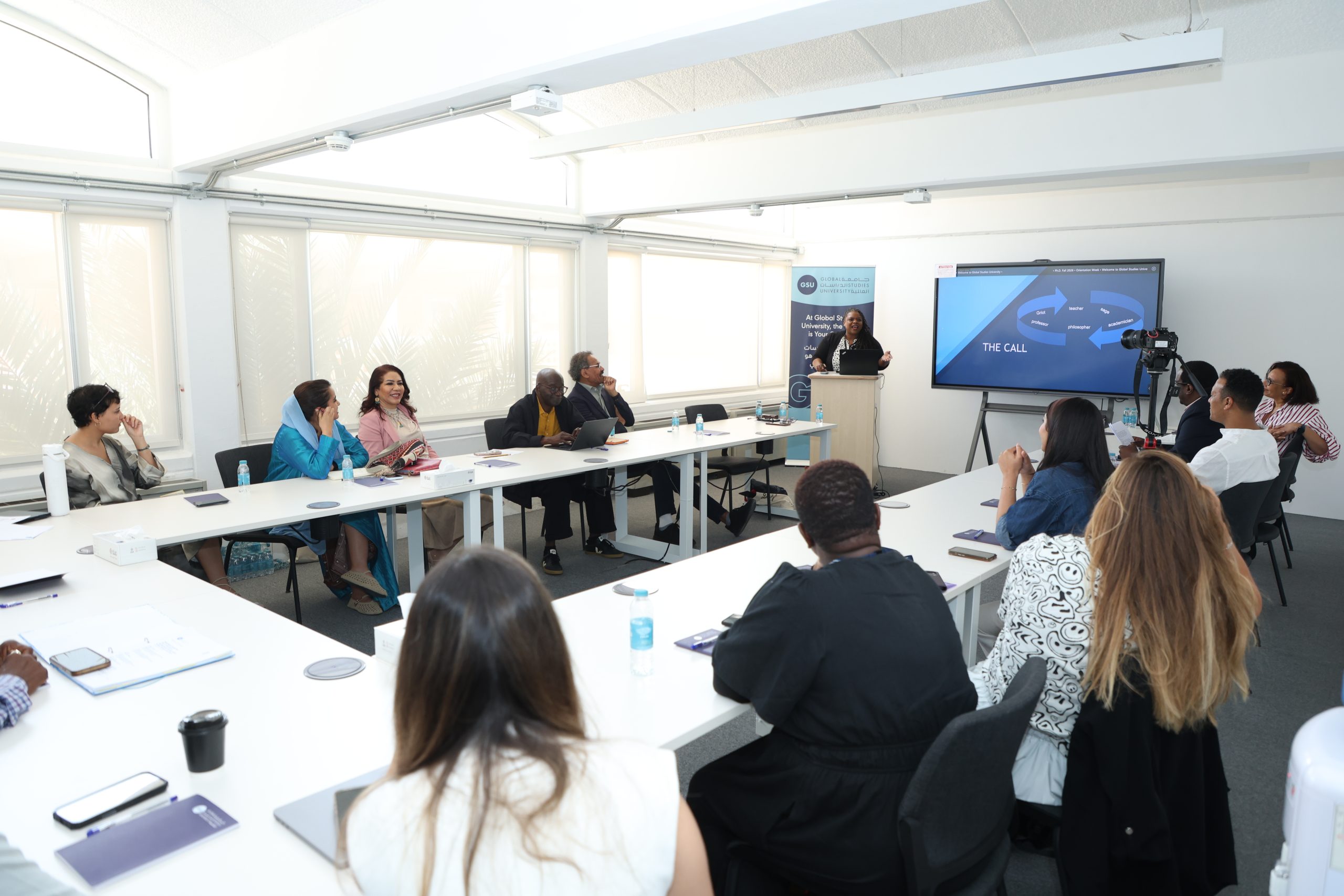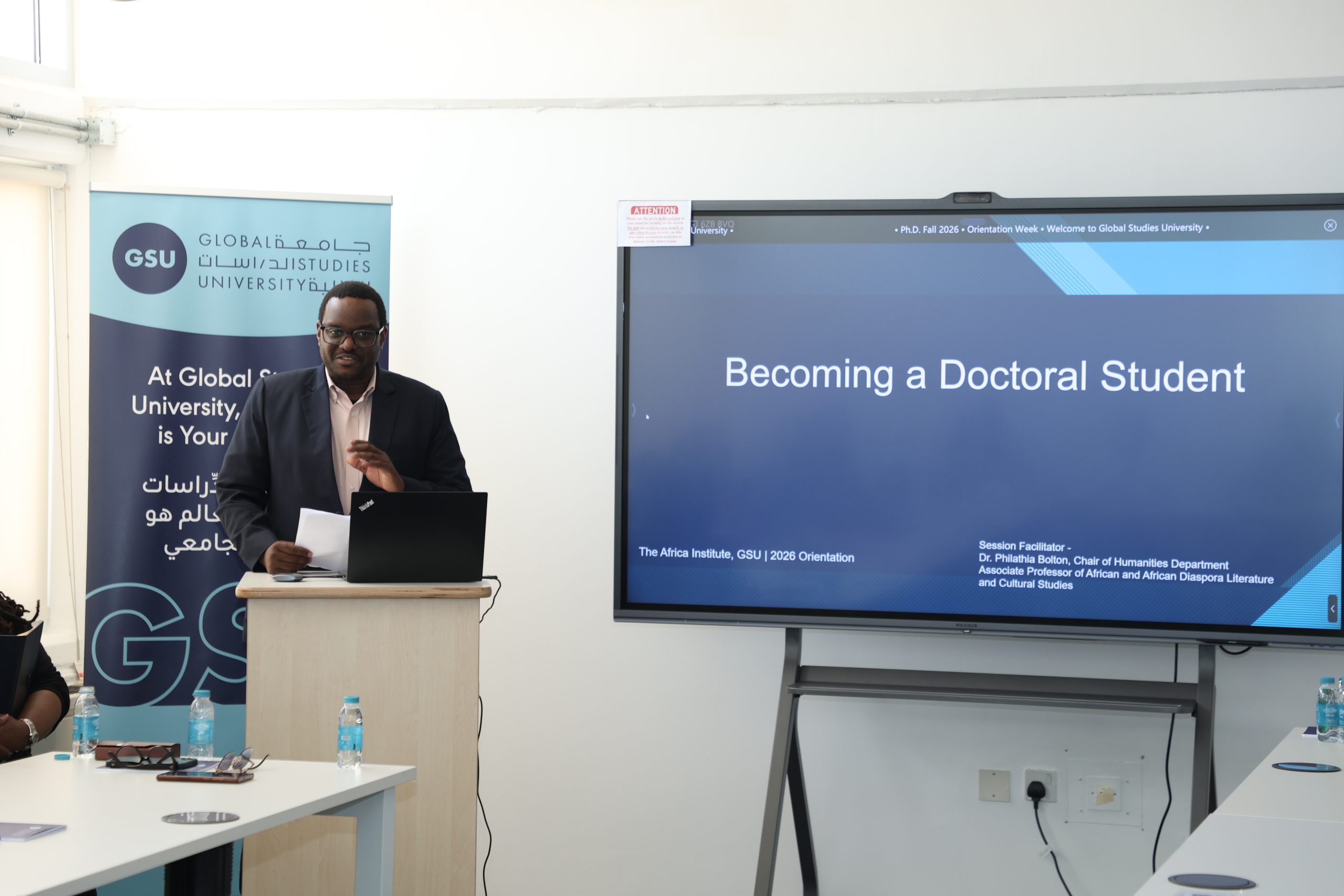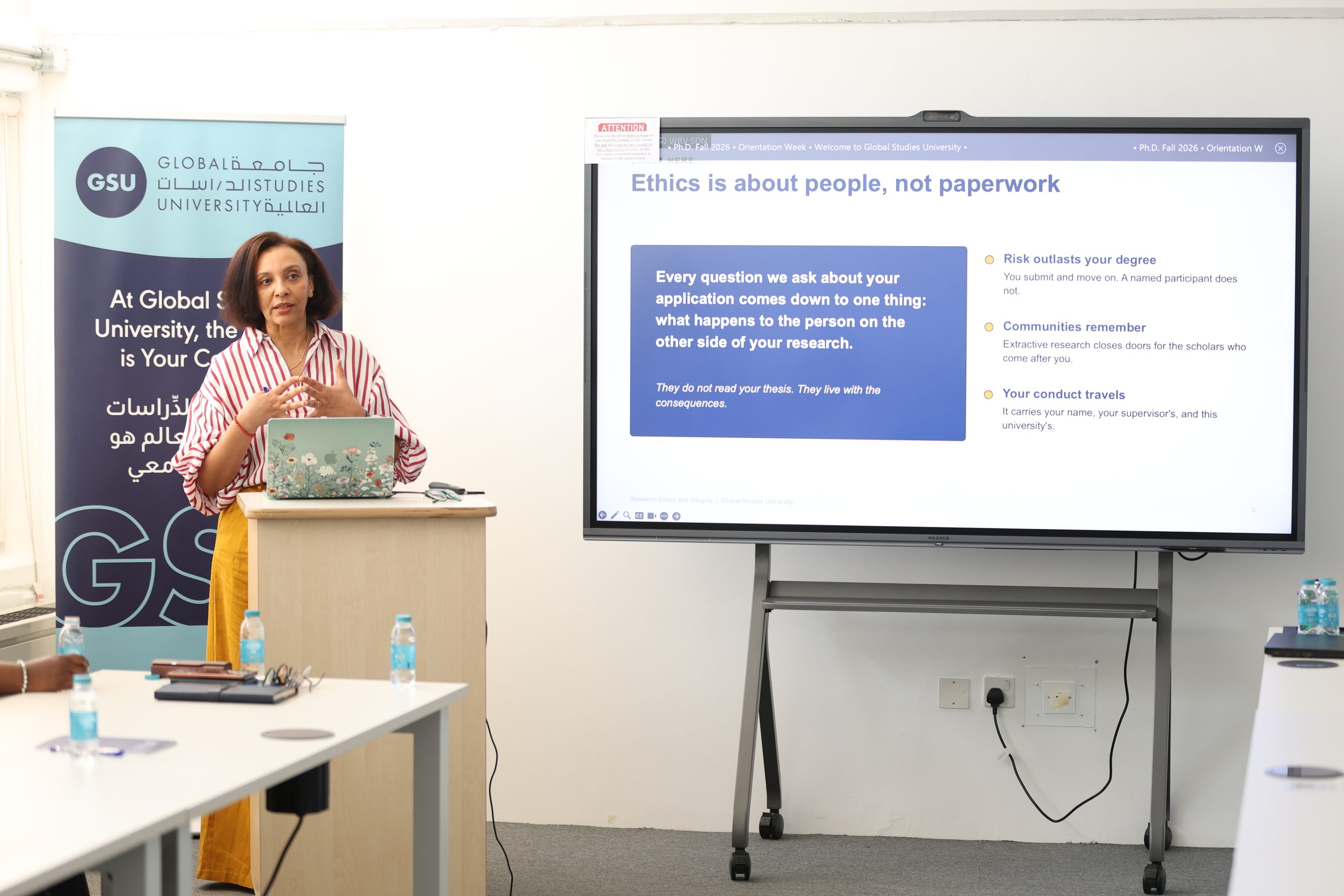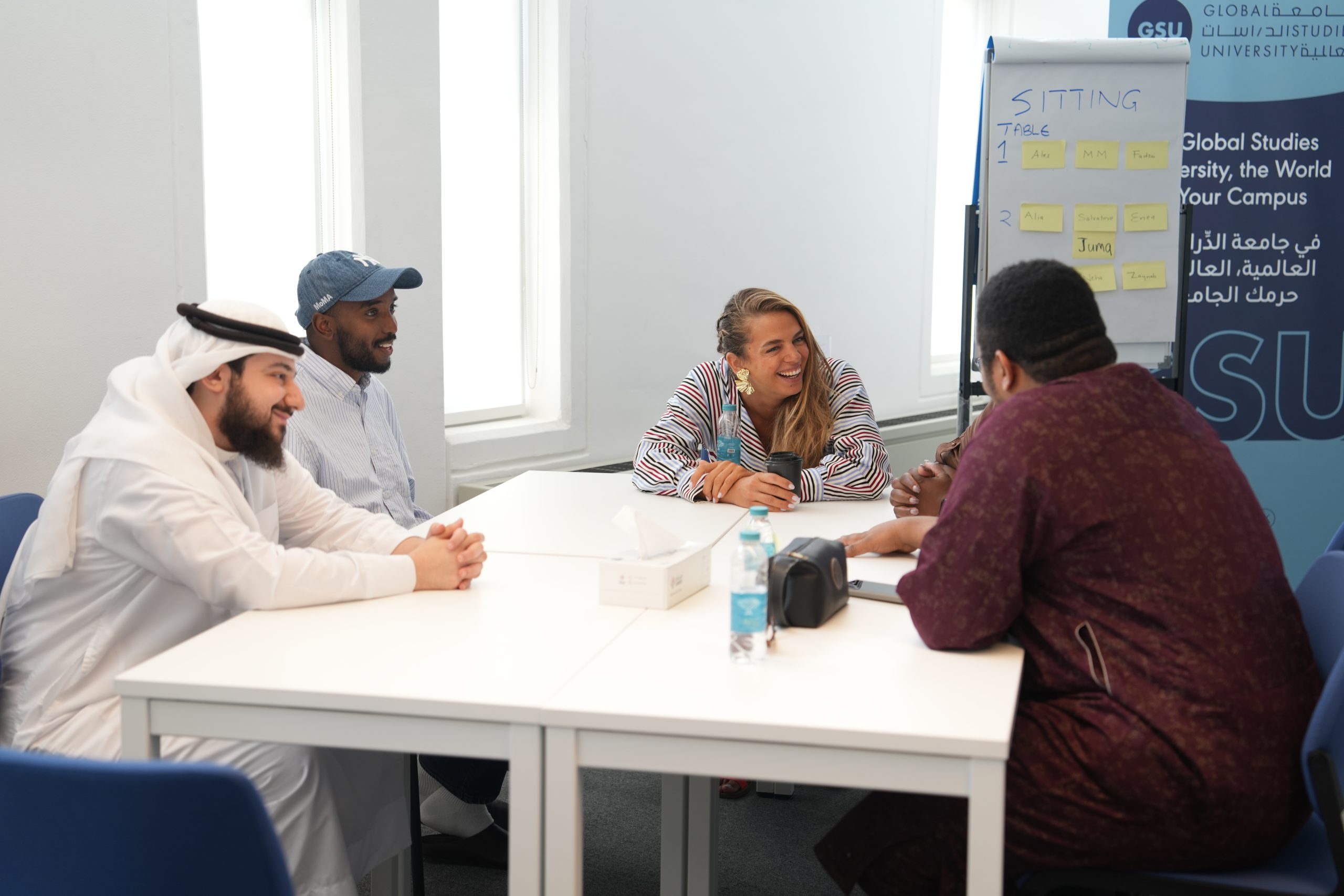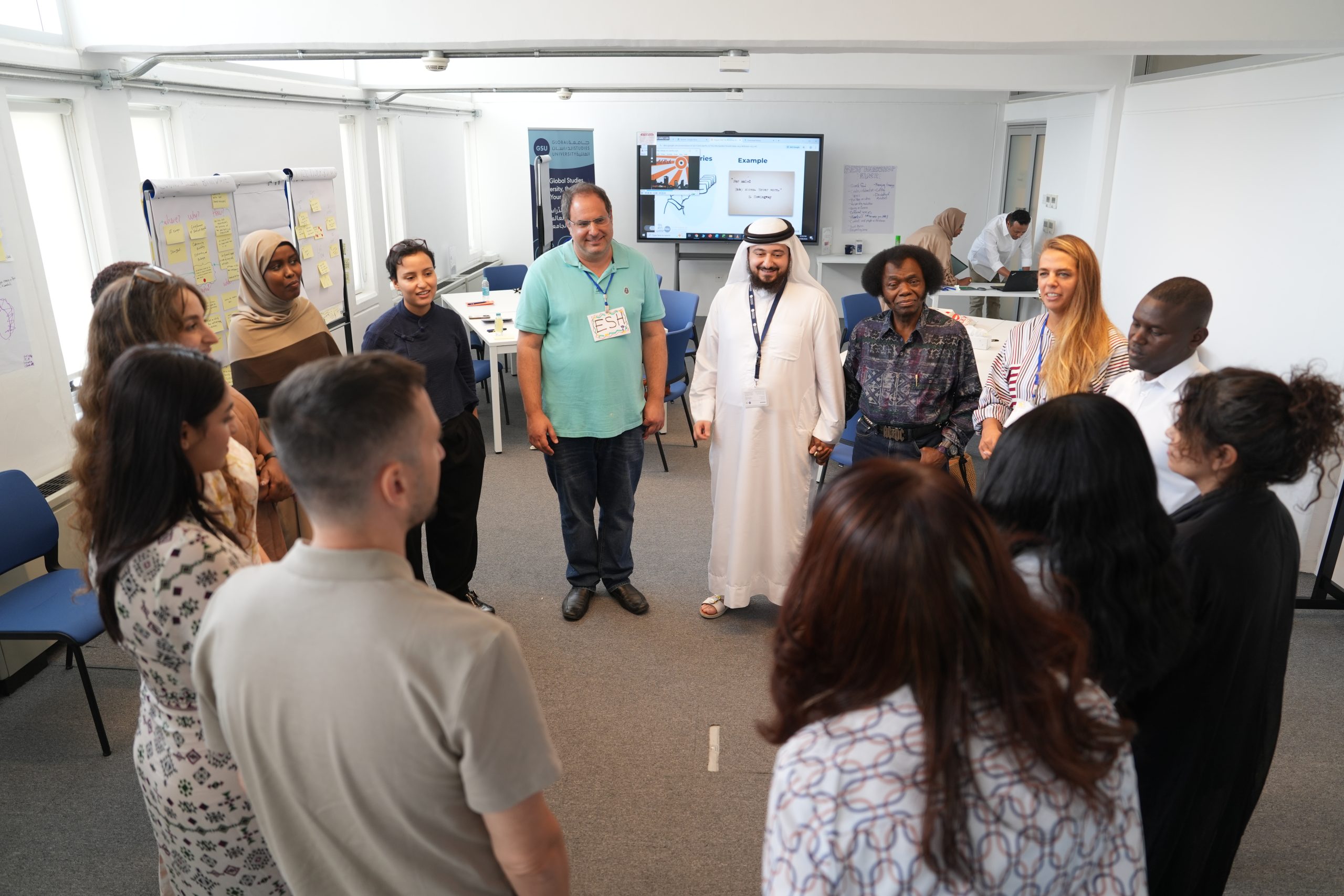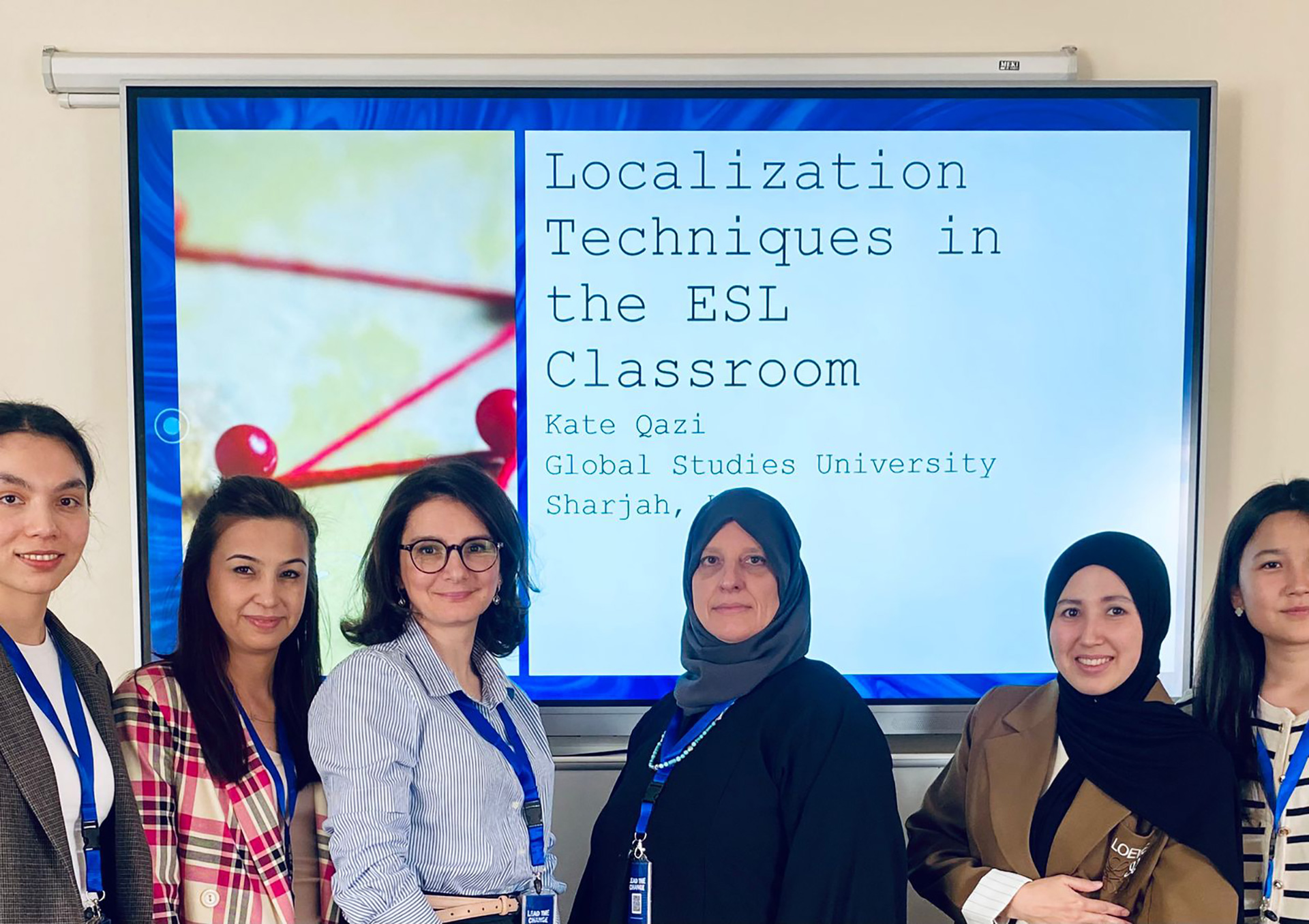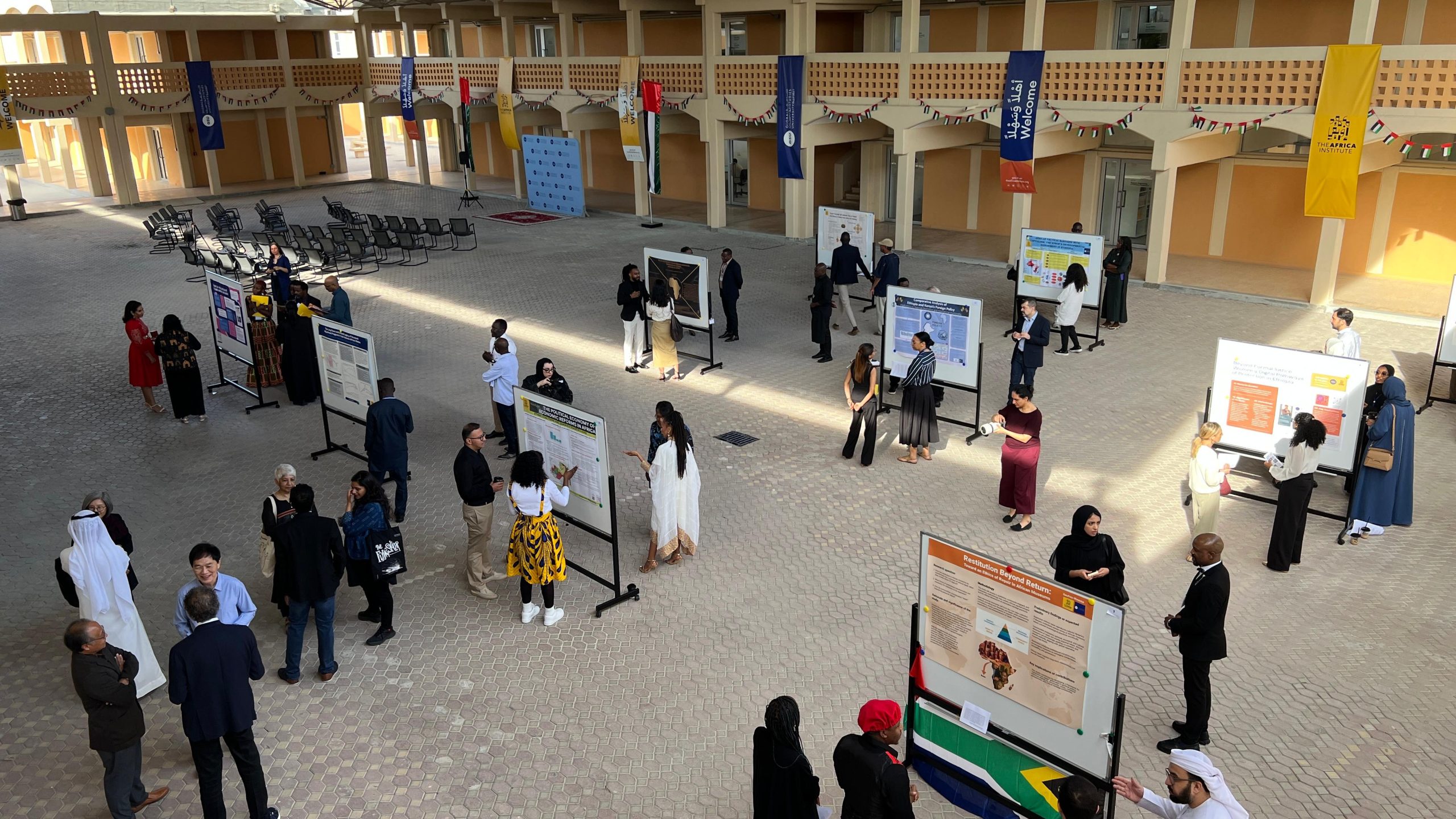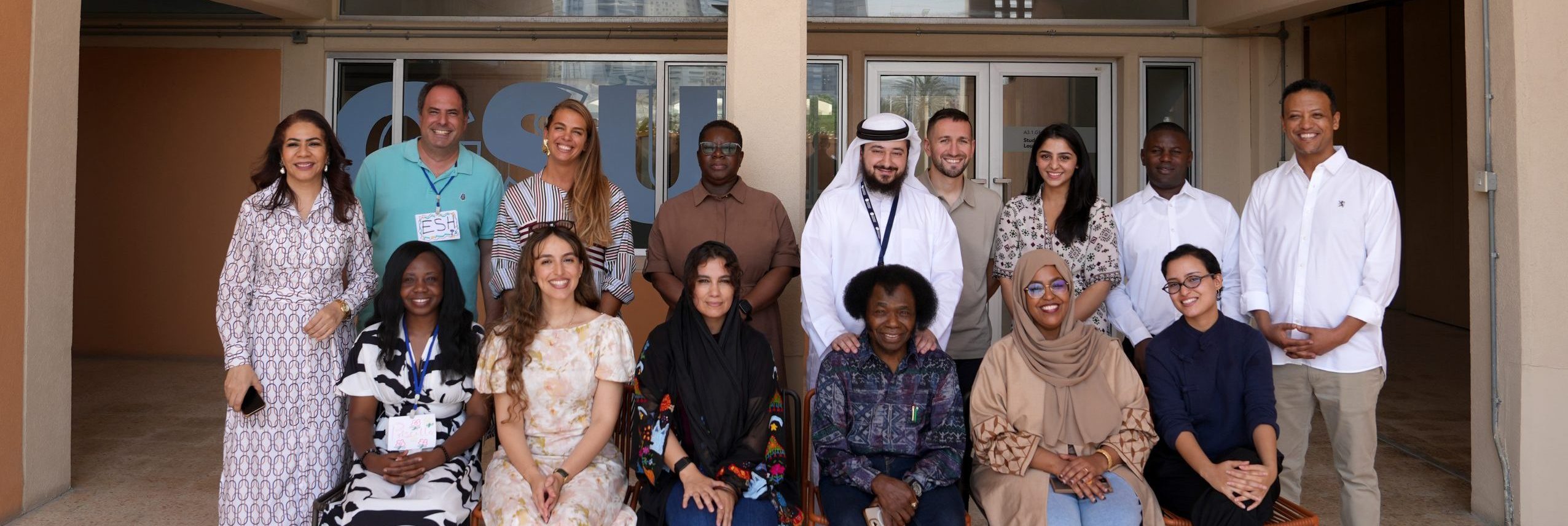
Global Studies University (GSU) welcomed 13 doctoral researchers representing 11 countries to the second cohort of its Ph.D. in Global Studies during Orientation Week, held from August 23 to 27, 2026 at the University’s campus in Al Manakh, Sharjah.
The cohort joins GSU during a significant year for the University. In 2026, GSU marks 50 years since the 1976 Symposium on Afro-Arab Relations, where the idea that would later lead to The Africa Institute first emerged. The University will also celebrate the first graduating class of its MA in Global African Studies in December.
“As we mark 50 years since the 1976 Symposium on Afro-Arab Relations, welcoming GSU’s second Ph.D. cohort carries forward a vision that began here in Sharjah,” said Her Highness Sheikha Hoor Al Qasimi, President of GSU. “Their arrival strengthens GSU’s growing academic community and advances our commitment to a more connected intellectual future.”
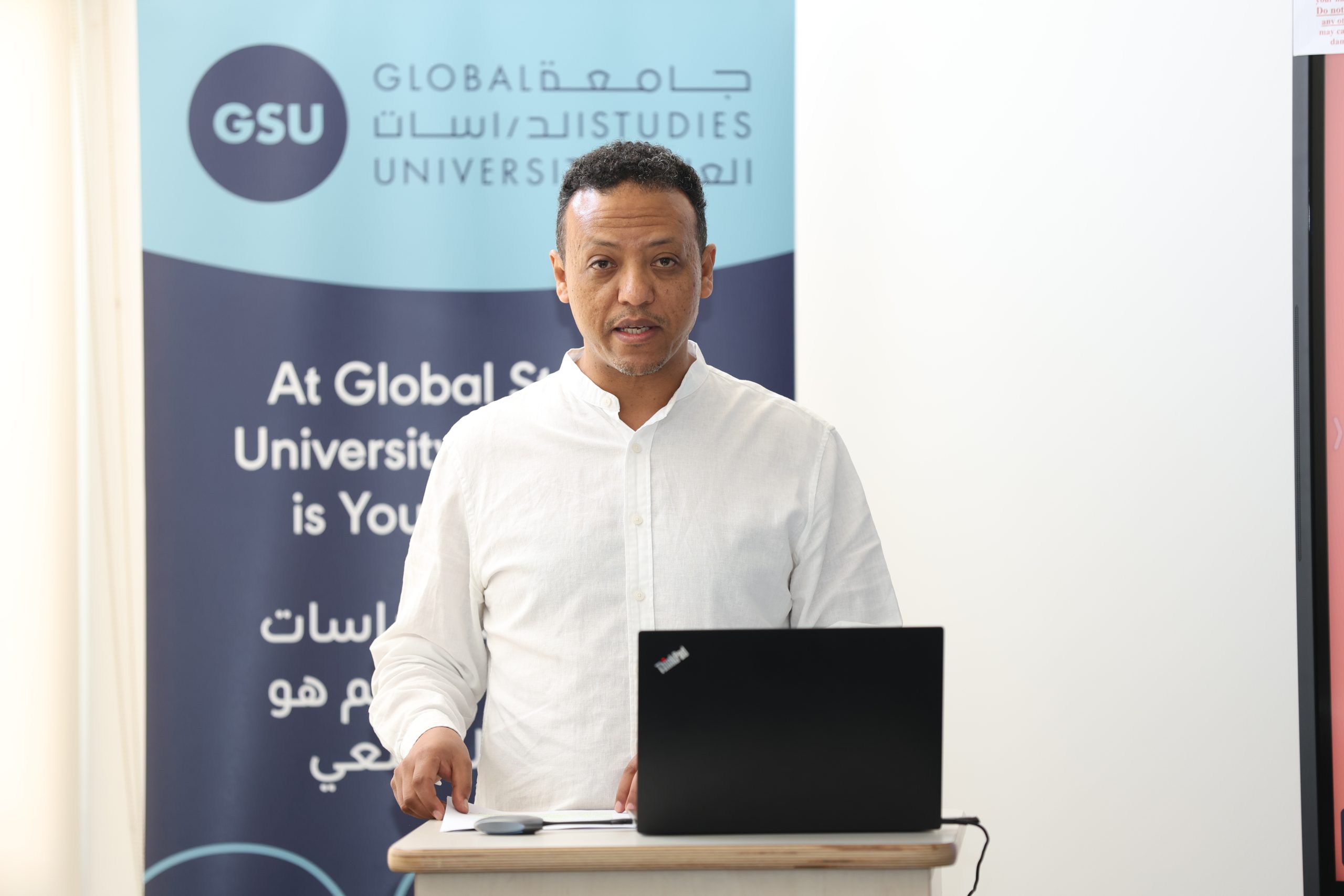
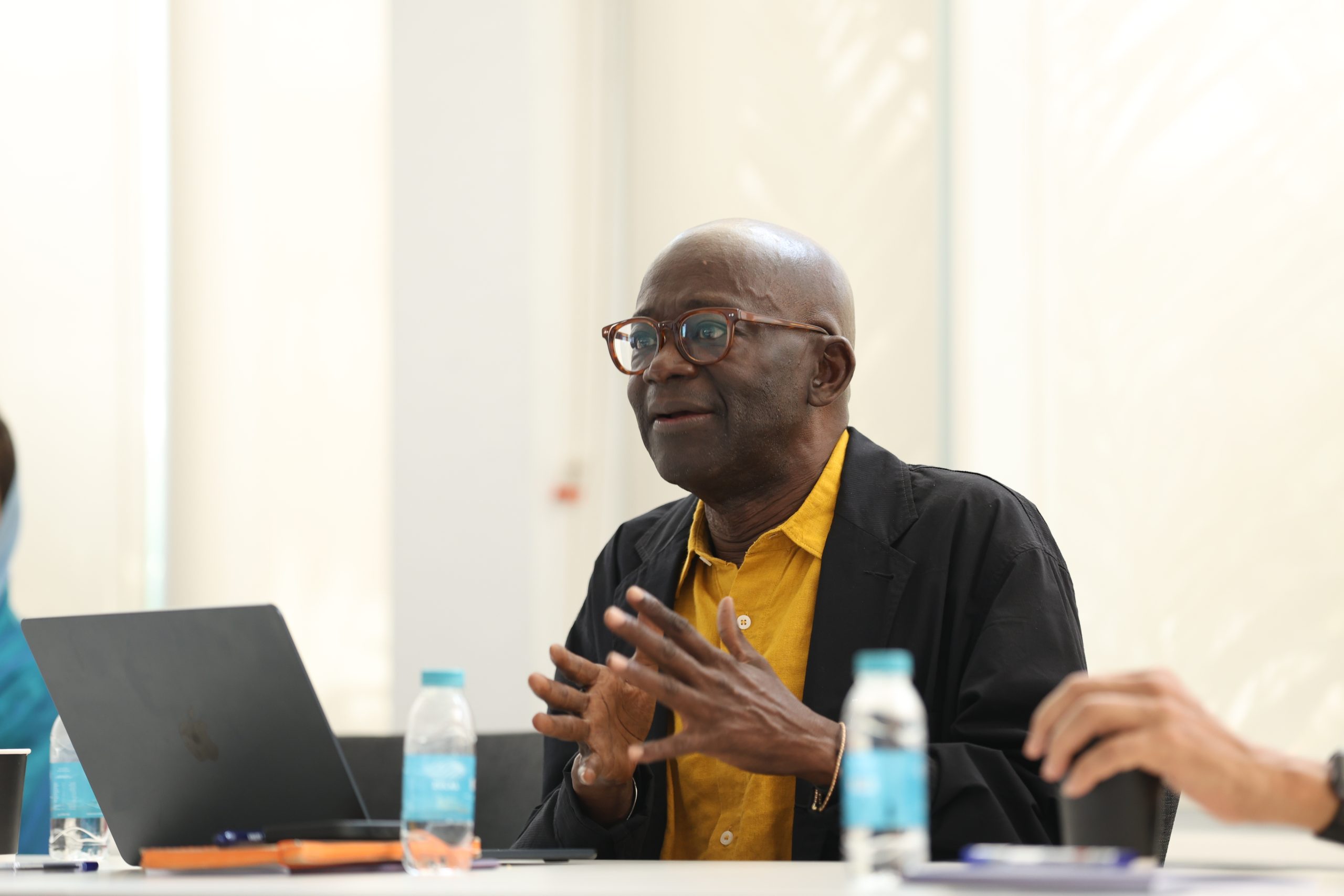
“‘At GSU, The World is Your Campus,’ the theme of this year’s Orientation Week, reflects our commitment to scholarship that connects disciplines, regions, languages, and communities,” said Professor Salah M. Hassan, Chancellor of GSU and Dean of The Africa Institute. “For our students, that global journey begins in Sharjah, where they join a growing scholarly community and begin developing the questions that will shape their research.”
Orientation Week was designed to prepare students for doctoral study and introduce them to the academic and intellectual life of GSU and Sharjah. Sara Majdi, Director of Academic Affairs at GSU, said the program aimed to help students understand the expectations of doctoral study, build relationships across the University community, and become familiar with the academic, cultural, and practical resources available throughout their studies.
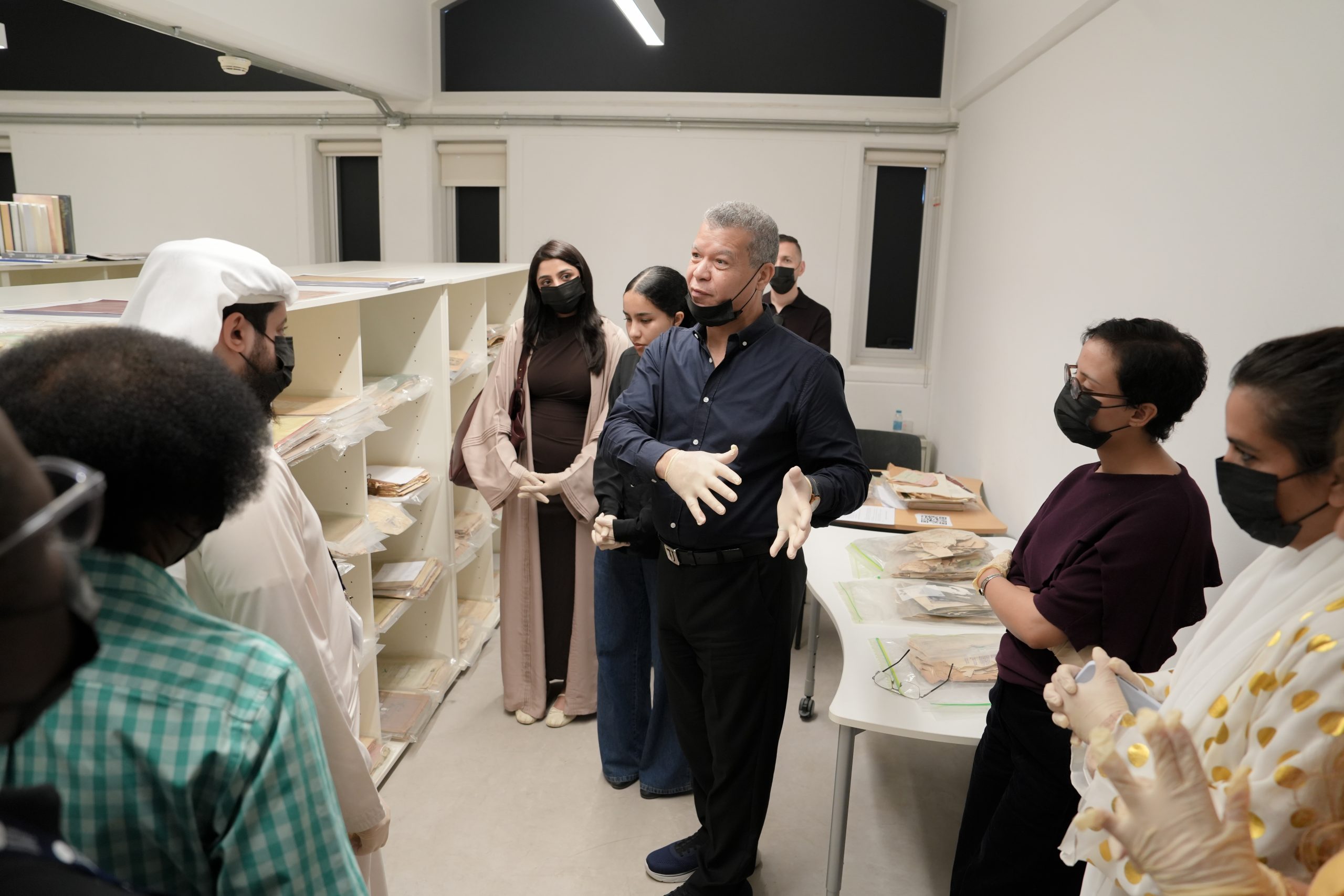
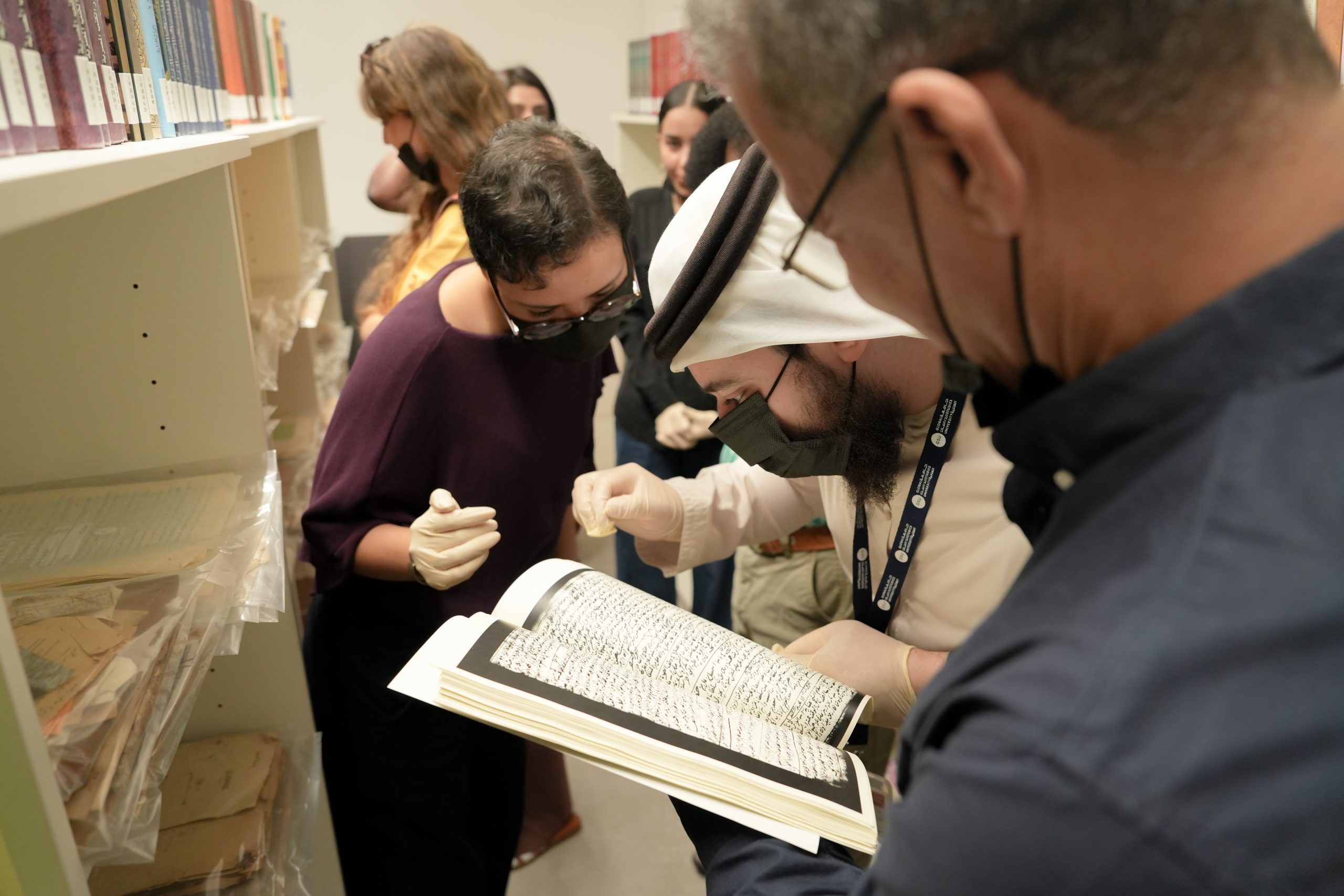
Faculty members and academic leaders led sessions on research ethics and integrity, scholarly reading, interdisciplinary inquiry, academic collaboration, and leadership. University staff introduced students to academic services, career development, well-being resources, and GSU’s campus, archive, and library.
Throughout the week, students examined global questions across conventional disciplinary and regional boundaries. This approach reflects GSU’s effort to move beyond traditional area studies and continent-based frameworks by tracing connections among histories, ideas, cultural movements, and political processes.
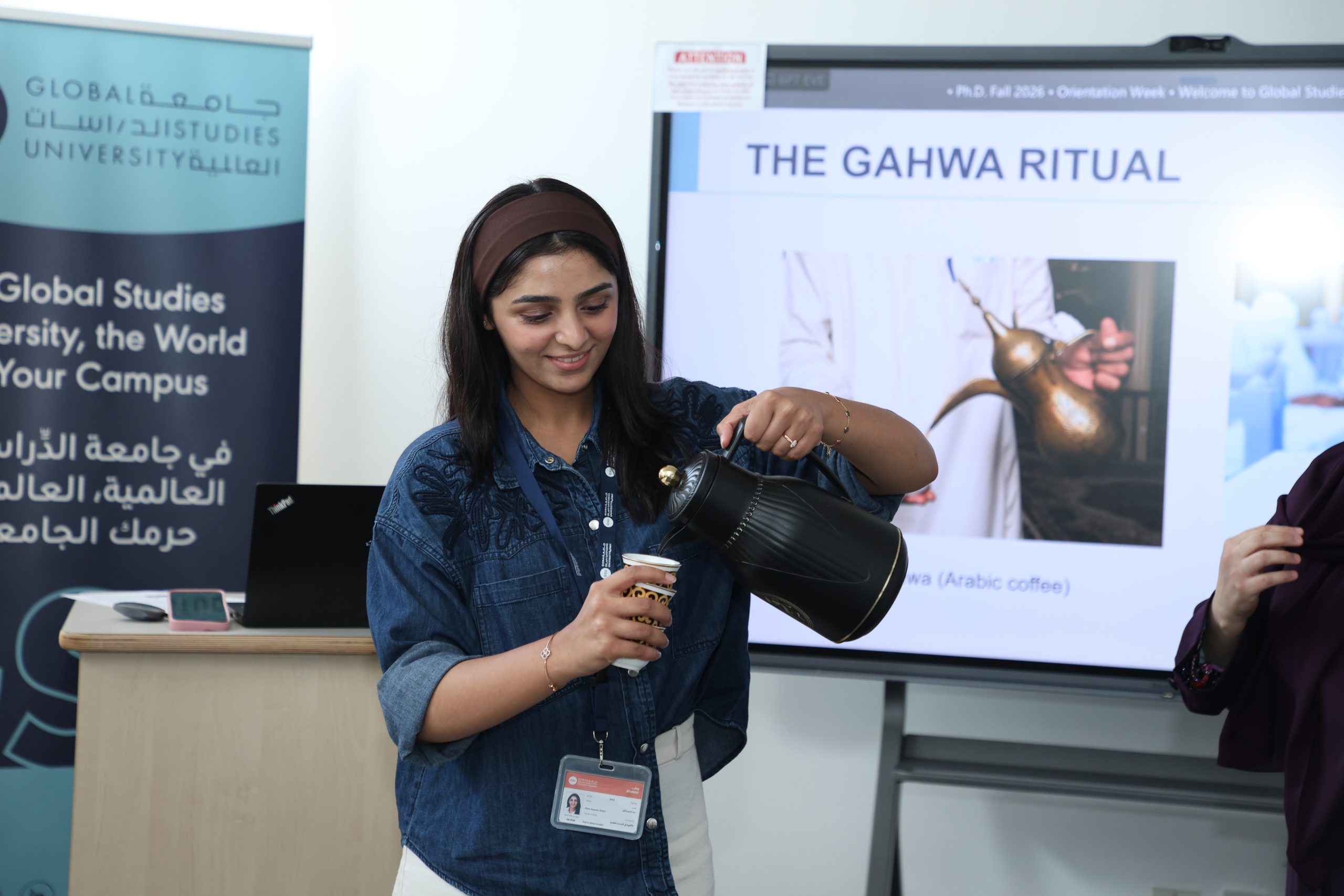
Visits to Sharjah Art Foundation’s Photography Gallery and Reference Library, together with an introduction to Emirati culture and cuisine, connected students with the city’s cultural and intellectual life. Workshops explored diversity, active listening, collaboration, and leadership in scholarly communities. Returning Ph.D. students also contributed to conversations about work-life balance, academic feedback, and the doctoral journey.
GSU’s five-year, full-time Ph.D. in Global Studies supports interdisciplinary research across two tracks: Cultural, Visual, and Literary Studies; and Historical, Political, and Social Studies. The program combines advanced coursework, faculty mentorship, and sustained independent research leading to a doctoral dissertation.
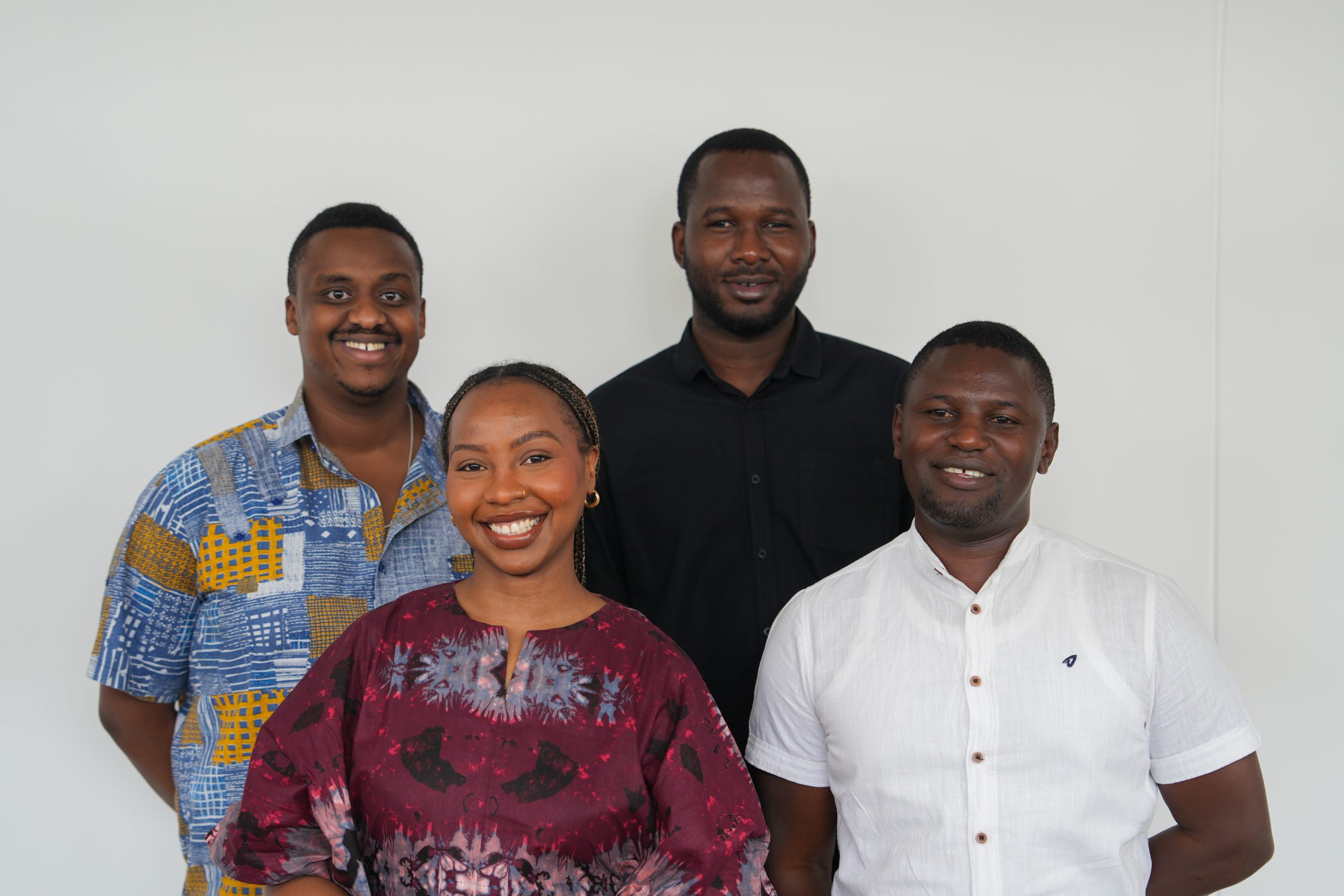
The incoming students bring research interests spanning education policy and knowledge systems, folklore and regional narratives, cultural diplomacy, and the connected histories of the Gulf, Africa, and the Indian Ocean world.
Alia Alshamsi, an Emirati student in the Cultural, Visual, and Literary Studies track, plans to examine how historic trade routes carried folklore across seas and shaped regional narratives.
“Beginning my Ph.D. at GSU is an opportunity to see the world from a new perspective, one grounded in this region,” said Alia. “To undertake this work here in the UAE is especially meaningful to me.”
Neha Nazneen Shakil, from India, is entering the Historical, Political, and Social Studies track, where she plans to examine how geographic and socioeconomic contexts can inform education policy and its evolution.
“I hope to explore how precolonial forms of education and knowledge can offer new ways of thinking about the systems needed today,” said Neha. “GSU’s location in Sharjah offers a distinctive vantage point from which to examine these questions at the intersection of the Global South and Global North.”
Salvatore Lavallo, a student from the United States, plans to examine how cultural exchange between the Gulf and East Africa can inform economic development and cultural diplomacy.
“My work has shown me that lasting international relationships are built through culture as well as economics and policy,” said Salvatore. “At GSU, I look forward to developing this research through conversations with faculty and peers whose experiences will challenge and expand my own perspective.”
Fall 2027 Admissions Now Open
Applications are now open for Fall 2027 admission to GSU’s MA in Global African Studies and Ph.D. in Global Studies.
The two-year, full-time MA in Global African Studies offers three tracks: Museum and Critical Heritage Studies; Diplomacy and Africa’s International Relations; and Afro-Arab Relations. Students combine interdisciplinary coursework with language study, applied experience, and a research thesis.
The five-year, full-time Ph.D. in Global Studies provides advanced interdisciplinary training across the humanities and social sciences. Exceptional applicants holding a bachelor’s degree may also be considered for the five-year bachelor’s-to-Ph.D. pathway.
Scholarships are available. Prospective students can learn more about the programs, admission requirements, and application process at gsu.ac.ae/academicprograms.