1. The Tragedy of the Great Lakes
Synopsis
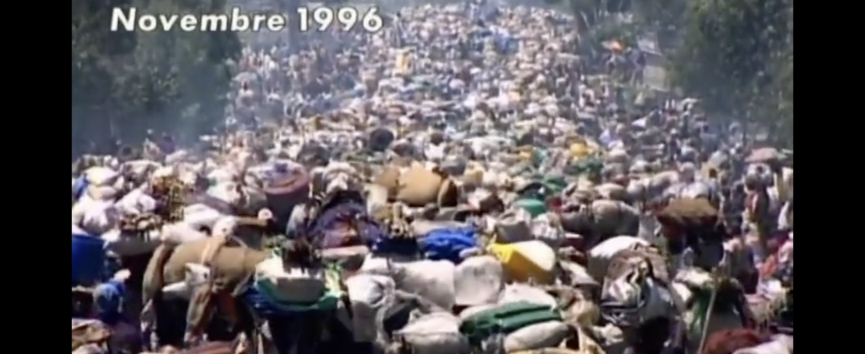
April, 1994. Genocide in Rwanda. 800,000 dead. A catastrophe that upset the balance in the entire region. The Great Lakes region of Africa ended the year with a bloodbath. This documentary shows the intrigues, the dramatic effects, the treasons, the vengeances that prevailed over those years and whose only goal was to maintain or increase each faction’s area of influence. In just ten years, the population saw all their hopes vanish: The dream of an Africa in control of its own destiny, alimentary self-sufficiency, the end of interethnic conflicts.
Director: Jihan El-Tahri | France | 100 minutes | 2000 | French with English and Arabic subtitles
2. Behind the Rainbow
Synopsis
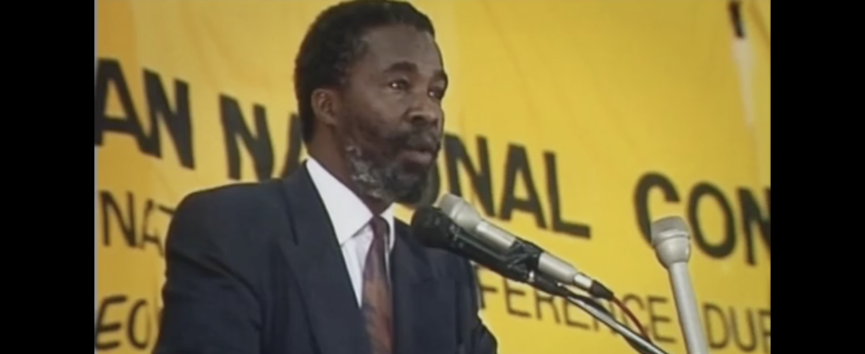
Against the backdrop of South Africa's 2009 election, which saw Jacob Zuma become the country's third democratically elected president, Behind the Rainbow is a detailed exploration of the evolution of, and internal conflicts within, the ruling African National Congress (ANC), since it first came to power with Nelson Mandela's election in 1994.
The film's focus is on the development over the years of the relationship between two of the ANC's most prominent leaders, Thabo Mbeki - who followed Mandela as president and served from 1999 to 2008 - and Jacob Zuma, who was one of the most important commanders of the ANC's armed struggle against the apartheid government. Under Mandela's administration, they loyally labored to build a non-racial state. But in recent years their duel threatened to tear the ANC apart. The film tells their story, one of friendship, comradeship, and eventual bitter personal conflict, with rich archival material and through in-depth interviews with both Mbeki and Zuma, as well as many of their current and former ANC colleagues.
Director: Jihan El-Tahri | Egypt, France, South Africa | 138 minutes | 2008 | English with Arabic and French subtitles
3. Cuba, an African Odyssey
Synopsis
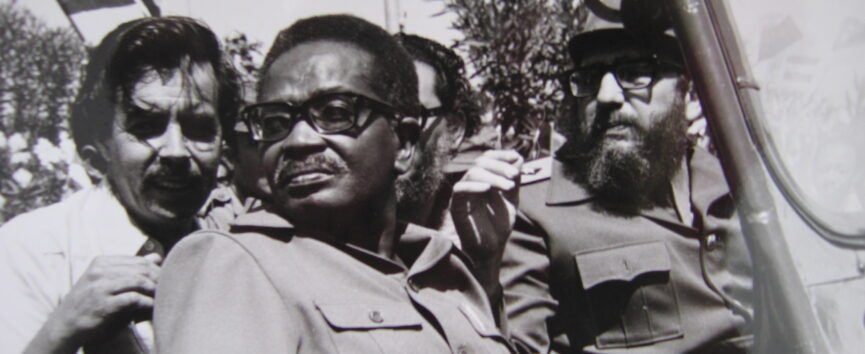
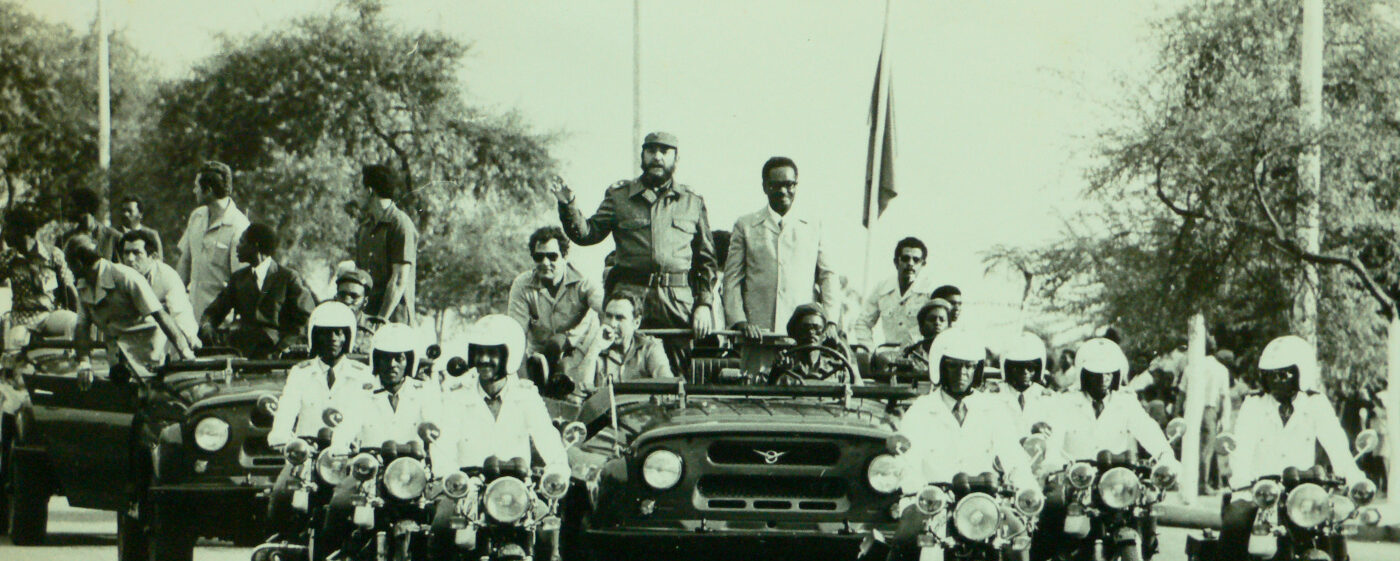
This film is the previously untold story of Cuba’s support for anti-colonial and anti-Apartheid struggles in the southern part of Africa, highlighting one of the Cold War’s most vigorous contests over resources and ideology. The film also highlights the role of Cuba in avenging the assassination of Lumumba in the Congo up to the fall of apartheid in South Africa, where 300,000 Cubans fought alongside African armed resistance movements in Angola, Mozambique and South Africa.
Director: Jihan El- Tahri | Cuba/Congo/Angola | 190 minutes | 2006 | Multilingual with English and Arabic subtitles
Jihan El- Tahri
Egyptian-born, French filmaker, author and news correspondent. She has authored, directed and produced award-winning documentary films, authored books and reported on political conflicts in the Middle East and Africa. Jihan is a Member of the Executive Bureau of FEPACI (Federation of Pan-African Cinema) and Secretary General of The Guild of African Filmmakers in the Diaspora. She holds a Bachelor of Arts Degree (with honours) in Political Science sand a Master of Arts Degree in Political Science, both from the American University in Cairo. Speaking French, English and Arabic as well as some functional Spanish, Jihan was a correspondent/super stringer for US News & World Report covering the Middle East while residing in France. The main stories covered were: Return of Yasser Arafat to Gaza, Algerian Elections, Madrid Peace Conference, Desert Shield and Desert Storm (Gulf War). Jihan was also the Tunis Special Correspondent for the Washington Post, The Financial Time (London), US News & World Report while in Tunisia. The main stories covered were the PLO, Islamic Movements and Algeria. While living in Egypt, she was the Cairo correspondent for The Sunday Times (London) and correspondent for the Reuters news agency.