Most of what we know about journalists and trauma comes from western war correspondents. These are reporters who fly into a conflict, have an institution behind them, and can leave. “The Hidden Toll,” a new special issue of Journalism: Theory, Practice and Criticism (SAGE), turns to the journalists who produce most of the world’s conflict reporting: those covering their own communities, often with no rotation out and no institution to protect them.
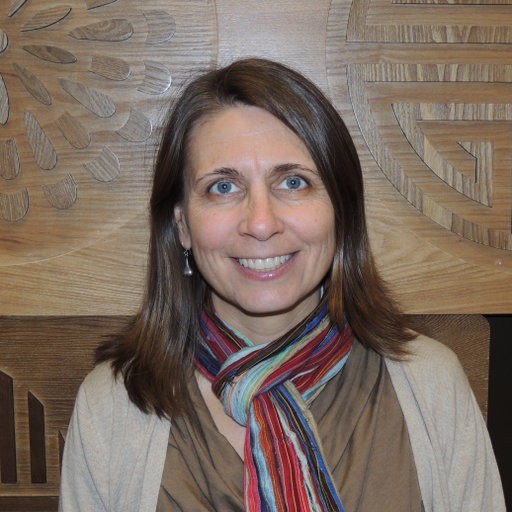
The issue appears in Journalism: Theory, Practice and Criticism, one of the leading international journals in journalism studies, edited by Howard Tumber and Barbie Zelizer. Dr. Maha Bashri, Associate Professor of Communication and Research Director at The Africa Institute, Global Studies University, is lead guest editor. Her co-editors are Lada Trifonova Price (University of Sheffield), Olatunji Ogunyemi (University of Lincoln) and Desiree Hill (University of Oklahoma). The issue has twenty articles, which is unusually large for a single journal issue. The research spans five continents, from Gaza, Ukraine and Mindanao to Vietnam, Kenya, Cameroon, Nigeria, Pakistan, Belgium and the United States.
Read together, the articles make one argument. For many journalists, trauma is not a single event but the condition in which they work. Precarious employment, more than the violence a journalist witnesses, shapes who is harmed. The cost is also carried by families and communities, not by journalists alone. The editors close by asking who is protected, who is exposed, and who benefits from the difference.
That argument went to Oslo this week. On November 2, the editors’ paper When the Journalist Cannot Leave: Rethinking Safety Through the Hidden Toll of Conflict Reporting was presented at the 12th International Conference on the Safety of Journalists. OsloMet’s MEKK research group hosted the conference with the Fritt Ord Foundation and UNESCO Norway. This year’s theme was journalist safety in war reporting.